
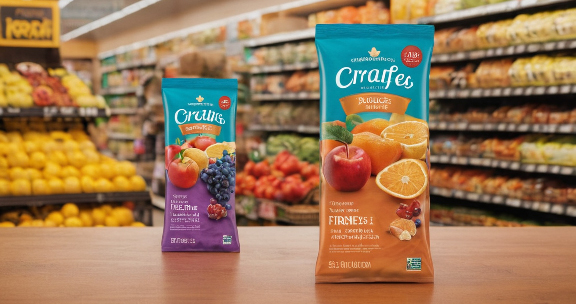
“Package Design: Its Impact on Product’s Branding and sale”

Package design is an important part of marketing and branding. It is the first contact between a brand and its customer. It plays a very important role in how a product is perceived and how memorable it becomes. Here we are showing the basics of package design with the PAS (Problem, Agitation, Solution) formula. That makes product package design so essential.
1. Problem: Standing Out in a Highly Competitive Market

Modern consumers are confused with so many products. From grocery stores lined with hundreds of snack brands to online stores displaying dozens of beauty products on a single page. Standing out has become a major challenge for brands. Package design is the first step in winning attention. According to a study by GfK, 76% of purchasing decisions are made at the point of sale. That clears the power of packaging on purchase decisions. In such a competitive market, brand must use every available tool and package design is a powerful one.
Case Study Example: Coca-Cola When Coca-Cola launched its “Share a Coke” campaign, which involved printing common names on bottles and cans, it transformed package design into a social experience. This content reads as if it is human-written.
This personal approach not only encouraged customers to buy the product but also boost sales by 2% during the campaign’s first year. This success shows the value of package design to boost sales.
2. Agitation: The Consequences of Ignoring Good Package Design

Ignoring package design or treating it as an afterthought can hurt a brand in various ways, from poor shelf presence to brand inconsistency and low consumer trust. When a package doesn’t communicate the brand’s values, lacks appeal, or is impractical, it risks being overlooked or, worse, alienating the target audience.
Case Study Example: Tropicana’s 2009 Packaging Redesign Tropicana’s packaging redesign is a prime example of the risks tied to ineffective package design. In early 2009, Tropicana decided to change its iconic packaging, replacing the familiar orange with a straw image and opting for a more modern design. However, this overhaul backfired dramatically; Tropicana lost million in sales within two months, and public backlash led to a rapid reversion to the original design. The lack of brand recognition on the new packaging and disconnect with consumers’ familiarity with the product led to confusion. That shows that a minor change in packaging can have significant financial repercussions.
When brands neglect the significance of packaging design, they are at high risk of losing customer loyalty and damaging their brand image. This effect can be seen in industries like cosmetics, food, and beverages, where packaging serves as a prime role. If packaging doesn’t reflect what customers expect or fails to deliver a memorable experience, it’s a missed opportunity.
3. Solution: How Effective Package Design Drives Success

Effective package design does more than capture attention; it tells a story, builds trust, and enhances the customer experience. To create a strong package design, there are three key elements: functionality, brand consistency and emotional impact.
Functionality: Making Design Practical and Accessible
A good package design must be functional, meaning it should protect the product, be easy to use, and enhance the product’s shelf life. Effective design can play a critical role in driving customer satisfaction.
Case Study Example: Pringles Pringles is an excellent example of functionality-focused package design. By opting for a cylindrical can, Pringles achieved many benefits: it protects the chips from breaking, uses space efficiently, and makes it easy for customers to carry. The container became a symbol for the brand, showing how practical design can make a strong brand identity and customer loyalty.
Brand Consistency: Reflecting the Core Identity

Brand consistency ensures that package design aligns with the brand’s overall visual identity, including colors, fonts, and logo usage. This makes a perfect brand experience, making the product renowned in the market.
Case Study Example: Apple Apple’s packaging is consistent with the company’s minimalist, premium brand image. Their packaging is clean, compact, and designed to create a “reveal” experience when unboxing. Every element, from the box weight to the layout of the product, reflects Apple’s tradition of simplicity and quality.
Emotional Impact: Connecting with Consumers
One of the most significant roles of packaging design is evoking emotion. Packaging should make customers feel a connection to the product and make them recall to choose it over competitors. Emotionally resonant designs often leverage color psychology, texture, typography, and imagery.
Case Study Example: Hershey’s Kisses Holiday Editions Hershey’s launches holiday editions for its chocolates, packaging them in seasonal designs and colors. These limited-edition packages create a sense of excitement and align with the spirit of the season, making the product feel like a special, timely purchase. Emotional connection through package design, which encourages consumers to buy Hershey’s products during the holidays.
How to Achieve Effective Package Design

- Know Your Audience Researching the target audience is crucial for a successful design. Different demographics have different preferences, which is why it is essential to understanding the audience. For instance, eco-conscious consumers respond well to recyclable packaging and minimal plastic use, while high-end shoppers may prefer sleek, luxurious packaging.
- Prioritize Simplicity Simplicity in design keeps a product approachable and understandable. A clean design avoids overwhelming the customer with too much information, keeping the key product benefits or brand values front and center. Simple and good package design also enhances the consumer’s experience. It makes simple the decision-making process.
- Leverage color and typography. Wisely Colors and fonts are not just stylistic choices; they communicate mood and personality. Colors like green often suggest health and sustainability, while black exudes luxury and sophistication. The typeface should match the brand tone; for instance, a playful font might work for a children’s product but would look out of place on luxury skincare packaging.
- Test Your Design Before a package design goes live, it’s essential to test it with a sample group from the target audience. Testing helps identify all likes, dislikes, or confusing elements. This step is very helpful in ensuring that a design is as per the market’s needs and expectations.
Summary: The Power of Effective Package Designing

Package design is an important part of marketing and branding. It is the first contact between a brand and its customer. It plays a very important role in how a product is perceived and how memorable it becomes. Here we are showing the basics of package design with the PAS (Problem, Agitation, Solution) formula. That makes package design so essential.